
How Much Does Landscape Design Cost in New Jersey?
How to Choose a Design Firm
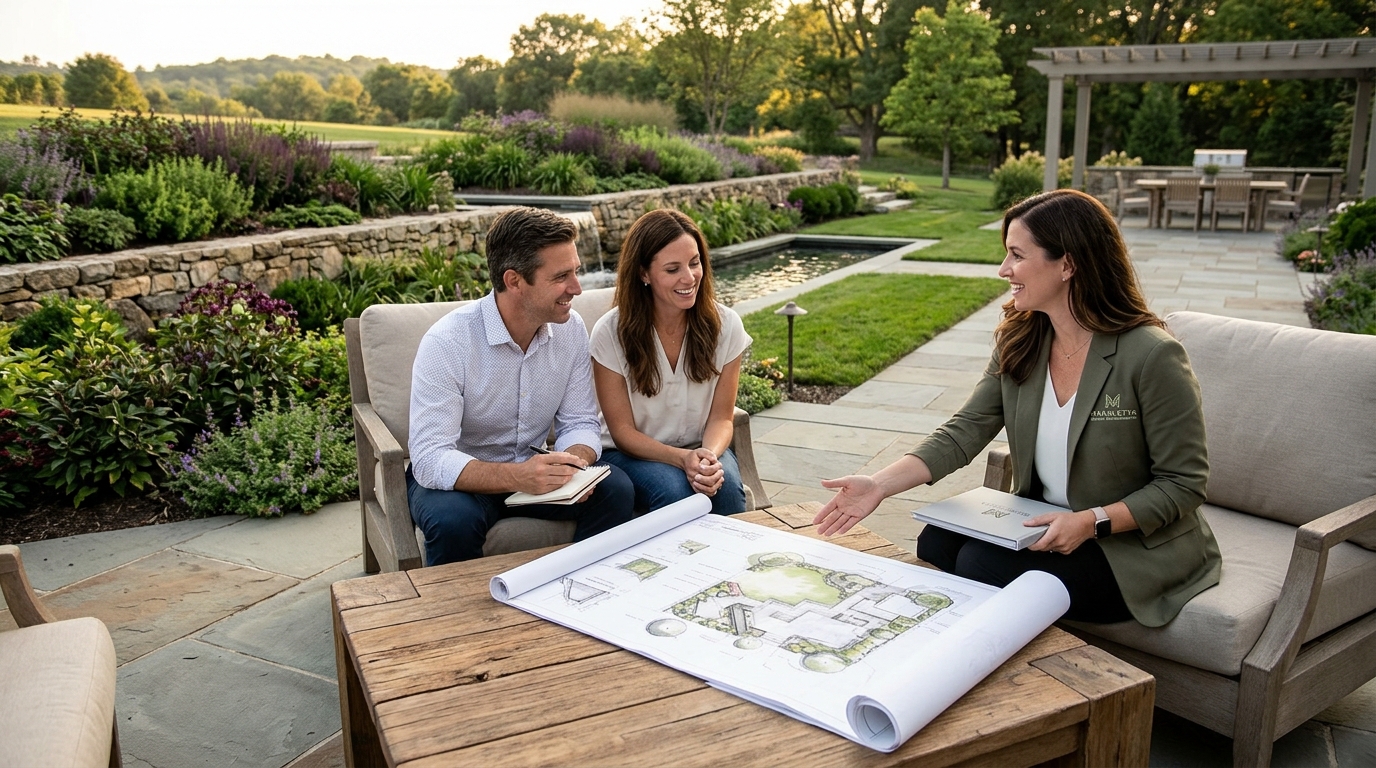
Choosing the right landscape design firm is the most critical step in protecting your investment. A professional landscape design firm is a specialized business that provides planning, engineering, and construction services for outdoor spaces. In New Jersey, the distinction between a general contractor and a dedicated design firm is significant. General contractors often prioritize construction speed, while design firms prioritize spatial flow, aesthetics, and long-term functionality.
Evaluating Portfolio Depth
Look for a portfolio that demonstrates consistency in quality and style. A reputable firm will show a range of projects, from simple garden upgrades to complex luxury outdoor living spaces. For example, Magaletta Design Environments showcases a diverse portfolio of over 1,000 completed projects, highlighting their ability to handle various terrains and client visions.
Assessing Communication Style
Effective communication is the backbone of a successful project. During your initial consultation, observe how the designer listens. Do they ask about your lifestyle, or do they immediately pitch products? A high-quality firm will focus on your needs first. They should explain complex concepts in plain language and provide clear timelines. If a firm is vague about their process or rushes the consultation, it is a red flag.
Questions to Ask Before Committing
Before signing a contract, you must ask specific questions to ensure transparency. These questions help you understand the scope of work and the firm's operational capabilities.
Scope and Deliverables
Construction and Maintenance
Determine if the firm handles construction or if you must hire a separate contractor. If they do both, ask about their warranty policies. Also, inquire about ongoing maintenance services. A firm that offers comprehensive care, such as the landscape maintenance services provided by Magaletta, ensures your investment remains pristine for years.
Verifying Credentials and Claims
Verifying a firm's credentials is essential to avoid fraud and ensure quality. In New Jersey, landscape architects must be licensed, but many firms operate as landscape designers or contractors without a specific state license. This distinction matters for complex projects involving structural elements or large-scale grading.
Checking Licenses and Insurance
Always request a copy of the firm's general liability insurance and workers' compensation coverage. Verify that the insurance is current and covers the specific scope of work. You can check a contractor's license status through the New Jersey Division of Consumer Affairs. If a firm claims to be a licensed landscape architect, verify their license number on the state's official registry.
Reviewing References and Reviews
Do not rely solely on online reviews. Ask for three to five references from recent clients, specifically those with projects similar to yours. Call these references and ask about the firm's punctuality, communication, and how they handled changes. A trustworthy firm will provide these references without hesitation.
The Design Process and Timeline
Understanding the design process helps you manage expectations regarding time and cost. A typical professional landscape design project follows a structured sequence of phases.
Phase 1: Consultation and Site Analysis
The process begins with a site visit. The designer measures the property, assesses soil conditions, drainage, and sun exposure. This phase usually takes one to two weeks. The goal is to understand the constraints and opportunities of your specific lot.
Phase 2: Concept Design and 3D Modeling
Next, the firm develops a concept plan. Modern firms use 3D software to create realistic visualizations. This allows you to see the final result before construction begins. 3D landscape design is a critical tool for reducing errors and ensuring client satisfaction. This phase can take two to four weeks, depending on the complexity of the project.
Phase 3: Construction Documents and Permits
Once the design is approved, the firm prepares detailed construction documents. These include material specifications, planting plans, and engineering drawings. If your project involves a pool, large retaining wall, or significant grading, you may need permits from your local municipality. This phase can add several weeks to the timeline.
Cost Drivers and Budget Ranges
The cost of landscape design in New Jersey varies based on several key factors. Understanding these drivers helps you budget accurately. according to Sustainable Landscape Design
Project Complexity and Size
Materials and Features
The choice of materials significantly impacts the overall project cost. High-end materials like natural stone, custom masonry, and premium pavers increase the budget. For instance, custom masonry and hardscaping require specialized craftsmanship, which commands a higher price point. Similarly, adding water features or outdoor kitchens adds to the design and construction costs.
Geographic Location
Location within New Jersey also affects pricing. Urban and suburban areas in Northern New Jersey, such as Parsippany and Chatham, often have higher labor costs and stricter zoning regulations compared to rural areas. These factors can increase the overall project cost by 10% to 20%.
Common Mistakes to Avoid
Homeowners often make costly mistakes when planning landscape projects. Avoiding these errors can save you time and money.
Underestimating the Budget
One of the most common mistakes is underestimating the total cost. Many homeowners focus on the design fee but forget about construction, permits, and maintenance. Always build a contingency of 10% to 15% into your budget to cover unexpected issues.
Skipping the Design Phase
Some homeowners try to skip the professional design phase to save money, only to face costly changes during construction. A professional design ensures that all elements work together harmoniously. Skipping this step often leads to a disjointed space that does not meet your needs.
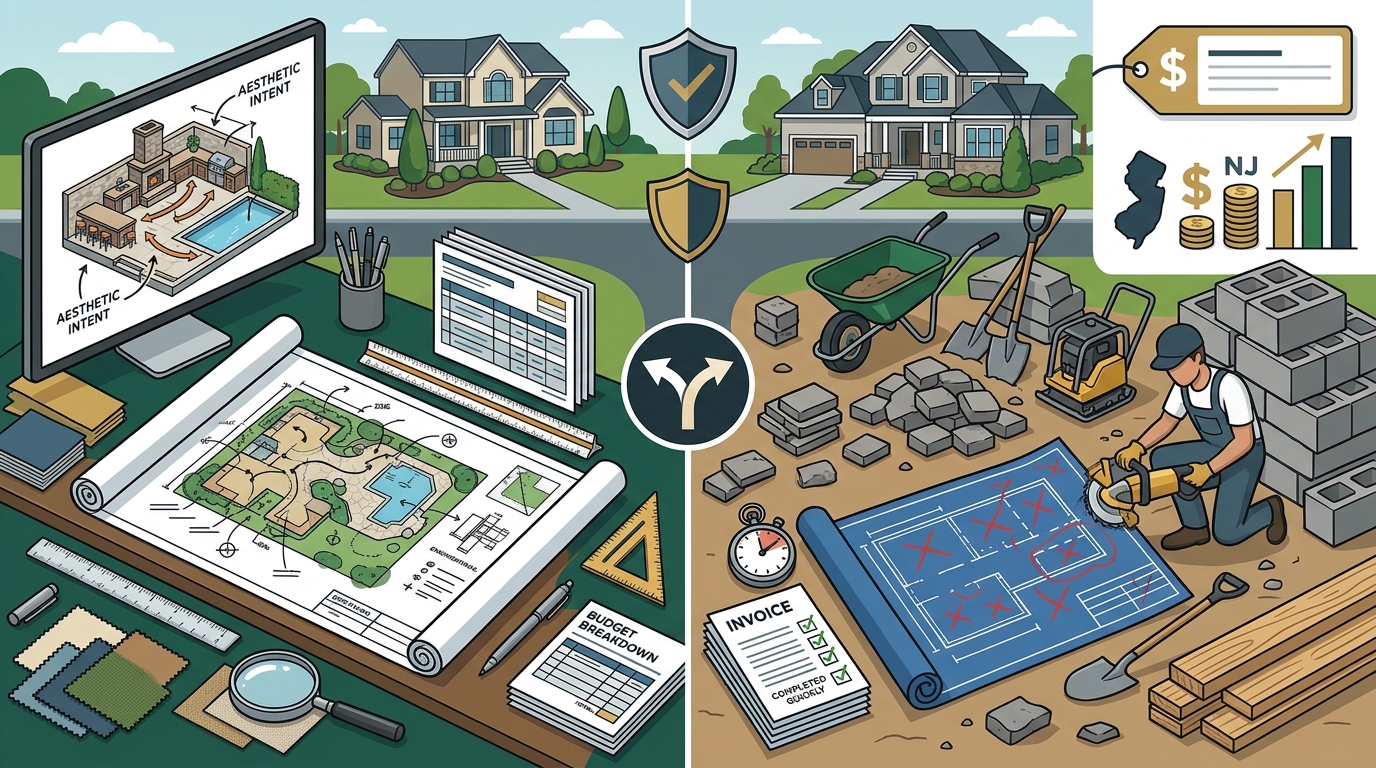
Design vs. DIY and Generalists
Comparing professional design to DIY or generalist approaches helps you understand the value of hiring a specialist.
| Option | Cost Range | Pros | Cons |
|---|
While DIY may seem cheaper, the cost of mistakes can far exceed the price of a professional design. A general contractor may be a good option for simple projects, but for complex luxury spaces, a dedicated design firm is the better choice.
Costs for Specific Property Types
The cost of landscape design varies depending on the type of property and the specific features you want to include.
Residential Luxury Homes
Commercial and Venue Spaces
Commercial projects, such as wedding venues or corporate offices, require a different approach. The design must focus on durability, flow, and brand image. For example, the Park Savoy landscaping project demonstrates how commercial spaces require meticulous planning to ensure every corner is functional and beautiful. Design fees for commercial projects are often based on the square footage of the outdoor area.
Regulations and Consumer Protections
Understanding the rules and protections that apply to landscape projects in New Jersey is crucial for your safety and financial security.
Permits and Zoning
Many landscape projects require permits from your local municipality. This includes pools, large retaining walls, and significant grading changes. Failing to obtain the necessary permits can result in fines and the requirement to remove the structure. A professional design firm will handle the permit process for you, ensuring compliance with local zoning laws.
Contractual Protections
Always sign a detailed contract that outlines the scope of work, timeline, payment schedule, and warranty terms. The contract should specify what happens if the project is delayed or if changes are requested. This protects both you and the firm, ensuring that expectations are clear from the start.
Local Specifics in Northern NJ
Local conditions in Northern New Jersey, including Parsippany and Chatham, can impact your landscape project.
Soil and Drainage
The soil in Northern New Jersey is often clay-heavy, which can cause drainage issues. A professional designer will assess the soil conditions and recommend appropriate solutions, such as French drains or specific plantings. This ensures that your landscape remains healthy and functional throughout the year.
Climate Considerations
New Jersey experiences four distinct seasons, including cold winters and hot summers. Your landscape design must account for these climate variations. Choosing plants that are hardy in the local climate and designing for year-round enjoyment are essential considerations. A local firm will have the expertise to select the right materials and plants for your specific area.
Timing Your Project
Timing your landscape project can impact both the cost and the outcome.
Seasonal Considerations
Spring and early summer are the peak seasons for landscape construction. Booking during these months may result in higher costs and longer wait times. Consider starting your design process in the fall or winter to secure a spot for the following spring. This allows you to plan and budget without the pressure of peak season demand.
Weather Windows
Construction is weather-dependent. Delays due to rain or extreme heat can extend the project timeline. Building in buffer time for weather delays is a smart strategy. A professional firm will provide a realistic timeline that accounts for these factors.
Long-Term Value and ROI
Investing in professional landscape design offers long-term value and a strong return on investment.
Property Value Increase
Well-designed outdoor spaces can increase your property value by 10% to 20%. This is a significant return on your investment. When you sell your home, a beautiful landscape is one of the first things buyers notice. It creates a strong first impression and can justify a higher asking price.
Quality of Life
Beyond financial returns, a well-designed landscape enhances your quality of life. It provides a space for relaxation, entertainment, and connection with nature. The long-term enjoyment of your outdoor space is a benefit that cannot be measured in dollars alone.
Key Takeaways
- Choose a firm with a strong portfolio and clear communication style.
- Verify licenses, insurance, and references before signing a contract.
- The design process typically takes 4 to 8 weeks, including permits.
- Complex features like pools and custom masonry significantly increase costs.
- Always build a 10-15% contingency into your budget.
- Professional design offers a 10-20% increase in property value.
- Timing your project in the off-season can save money and reduce stress.
Frequently Asked Questions
How much does a landscape designer charge in New Jersey?
Is landscape design worth the cost?
Yes, professional landscape design is worth the cost. It ensures a cohesive, functional, and beautiful outdoor space. The investment often pays off through increased property value and enhanced quality of life.
How long does the design process take?
The design process typically takes 4 to 8 weeks. This includes the initial consultation, concept design, 3D modeling, and construction documents. Permitting can add additional time.
Do I need a permit for landscape design?
It depends on the scope of the project. Pools, large retaining walls, and significant grading changes usually require permits. A professional design firm will handle the permit process for you.
What is the difference between a landscape architect and a landscape designer?
A landscape architect is a licensed professional who can handle complex engineering and structural projects. A landscape designer focuses on aesthetics and plant selection. For most residential projects, a landscape designer is sufficient.
Can I use the design with a different contractor?
Yes, you can use the design with a different contractor. However, some firms offer a discount on construction if you use their design. Clarify this with the firm before signing a contract.